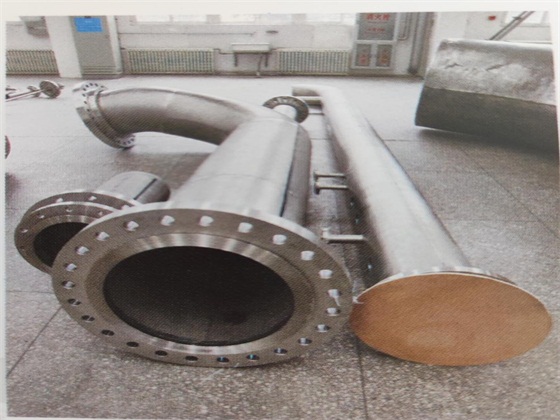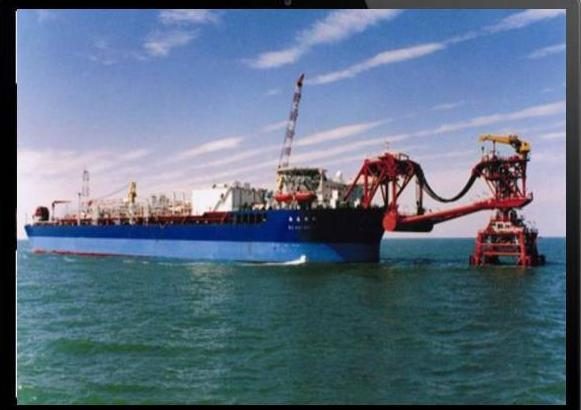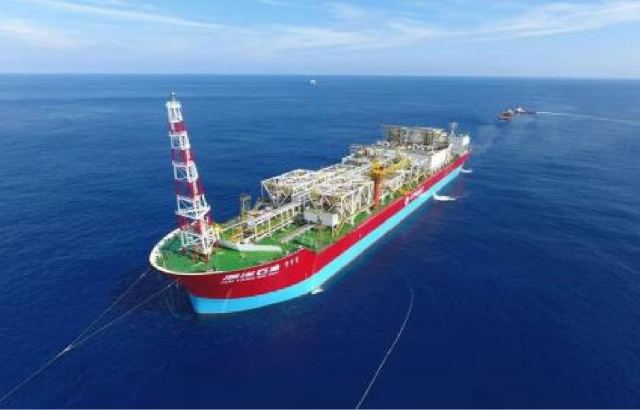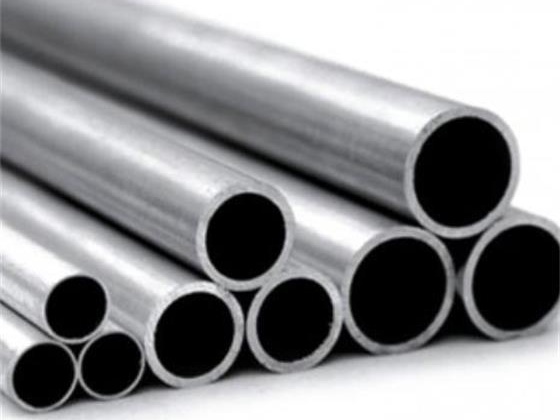
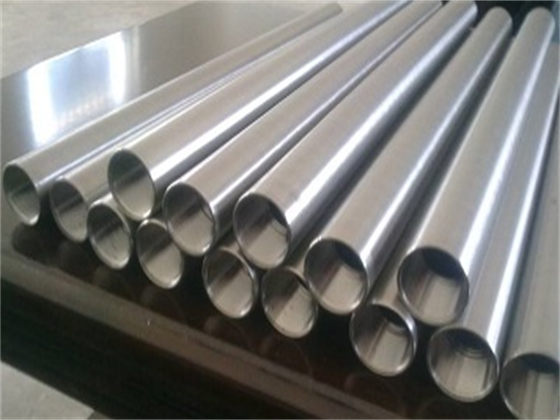
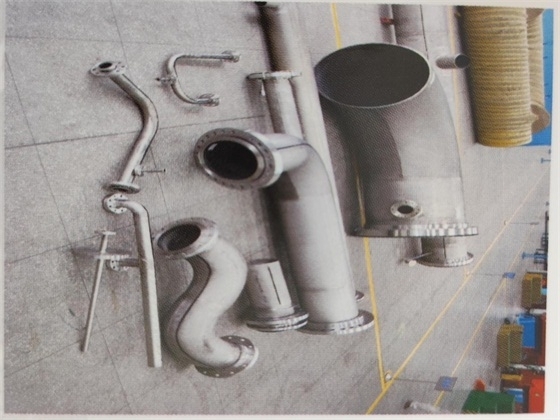
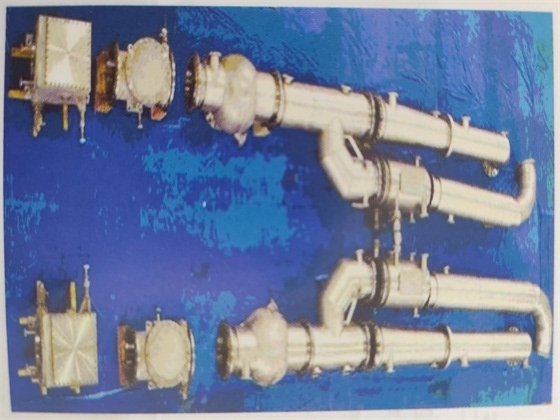
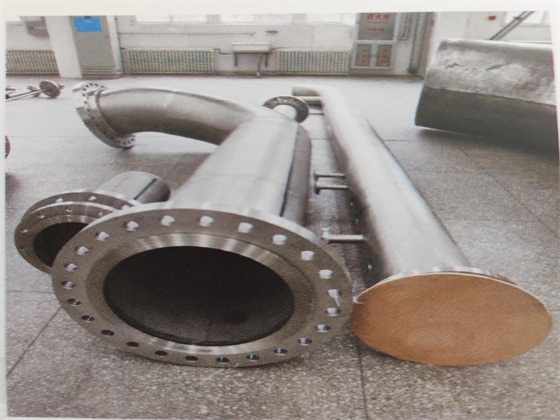
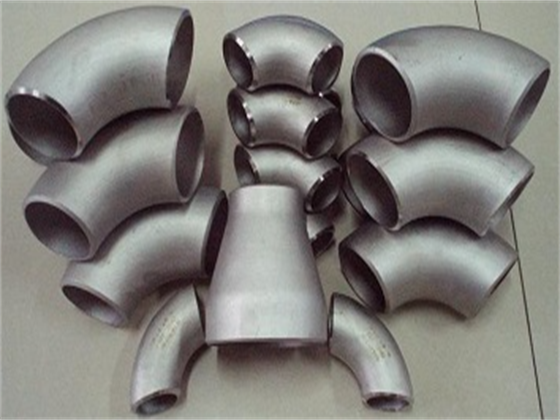
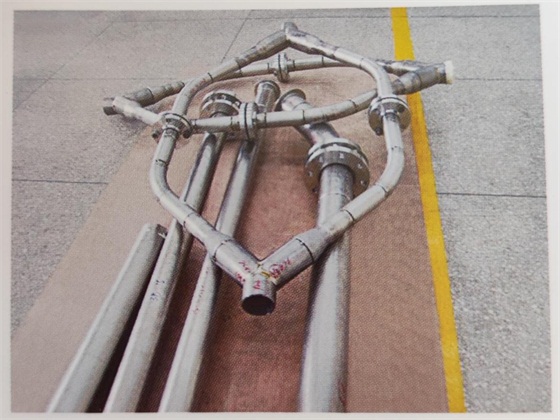
Cupronickel pipes and fittings are widely employed in seawater-handling systems for their superior corrosion resistance and biofouling protection, particularly in shipbuilding, offshore platforms, and desalination plants.
Cupronickel (also known as Cu-Ni) pipes and tubes are made from an alloy of nickel and copper. They are known for their excellent corrosion resistance, especially in saltwater environments. This makes them a popular choice for a variety of marine applications, such as seawater piping systems, heat exchangers, and condensers.
| ASTM | Name | Cu | Ni | Fe | Pb |
| C70600 | cuni 90-10 | ~89 | 9.0-11.0 | 1.0-1.8 | <0.05 |
| C71500 | cuni 70-30 | ~69 | 29.0-33.0 | 0.4-1.0 | <0.05 |
Here are some of the key properties of Cupronickel pipes and tubes:
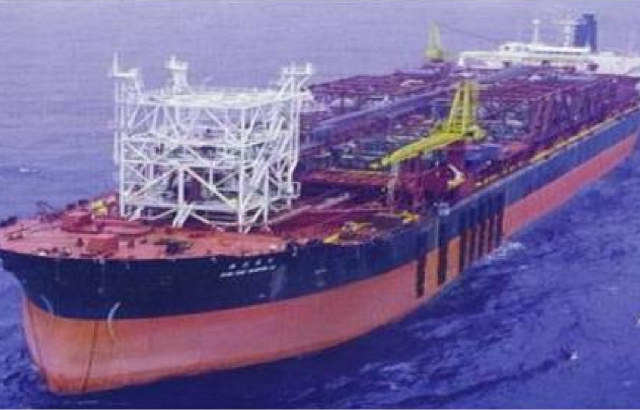
1. Marine and Shipbuilding
Seawater cooling systems
Fire main systems
Ballast and bilge piping
Hydraulic and pneumatic lines on offshore vessels
2. Offshore Oil & Gas Platforms
Seawater intake and discharge systems
Firewater deluge systems
Utility and service water piping
Heat exchanger tubing on topside facilities
3. Seawater Desalination
Multi-stage flash (MSF) and reverse osmosis (RO) plant piping
Brine heater tubes and evaporator components
Interconnecting pipelines in desalination trains
4.Power Generation
Steam turbine condensers
Cooling water systems in thermal and nuclear power plants
Auxiliary cooling loops and seawater intake structures
5. Industrial and Chemical Processing
Heat exchangers and evaporators handling corrosive fluids
Piping systems for chemical plants using saline or brackish water
Petrochemical cooling water circuits
In summary, cupronickel pipes and fittings are indispensable components in modern marine and industrial infrastructure, delivering unmatched reliability, corrosion resistance, and biofouling protection across a broad spectrum of seawater-handling systems—from naval vessels and offshore platforms to desalination plants and power generation facilities—thereby ensuring operational safety, efficiency, and long-term economic viability.